The U.S. Department of Housing and Urban Development (HUD) generally recommends replacing carpets every seven years, while many experienced landlords suggest doing so about every five years for lower-quality flooring or high-traffic homes.
Ultimately, the right replacement schedule depends on your property’s location, the quality of materials used, and how well your tenants care for the home.
Factors Impacting How Often Carpet Should Be Replaced
Foot traffic, carpet quality, tenant behavior, and regular upkeep all play a role in how long flooring lasts before it needs to be changed.
The Durability of Different Carpet Fibers
When determining how often should carpet be replaced, the type of fiber used plays a major role in how long your flooring lasts. Some materials wear out quickly under heavy foot traffic, while others stay looking newer for years.
Here’s a breakdown of common carpet fibers and how they impact longevity:
- Nylon: Nylon is a popular choice for its durability and stain resistance. With proper care, nylon carpets can last 7 to 10 years. They offer good elasticity and bounce back well from heavy foot traffic.
- Polyester: A more budget-friendly option, polyester carpets offer a shorter lifespan of around 5 to 7 years. While colorful and stain-resistant, polyester fibers tend to mat and show wear and tear faster than nylon.
- Wool: Luxurious and naturally stain-resistant, wool carpets can last up to 10 to 15 years with meticulous care. However, wool is more sensitive to moisture and requires professional cleaning more frequently. It’s not ideal for high-traffic areas.
Beyond these common choices, consider newer materials like:
- Triexta: A relatively new player, triexta offers exceptional stain resistance and durability, potentially lasting even longer than nylon.
Remember: The specific lifespan of any carpet material can vary depending on fiber quality and construction methods. These factors directly influence how often should carpet be replaced in a rental property.
| Material | Lifespan in Rentals | Notes |
|---|---|---|
| Nylon | 7–10 years | Durable, bounce-back fiber |
| Polyester | 5–7 years | Affordable, mats quickly |
| Wool | 10–15 years | Luxurious but moisture-sensitive |
| Triexta | 8–12 years? | Strong stain resistance (newer material) |
How Construction Impacts Carpet Life
A well-constructed carpet—regardless of material—will consistently outperform a cheaper alternative. When considering how often should carpet be replaced, quality is one of the most significant deciding factors. Here’s why investing in better materials pays off:
Fiber Density: High-quality carpets have denser fibers, meaning more fibers per square inch. This creates a thicker, more durable surface that resists matting, crushing, and visible wear much longer than low-cost options.
Backing Strength: The carpet backing plays a vital role in stability and comfort. Premium carpets feature stronger, reinforced backings that prevent rippling or bunching underfoot, extending both appearance and lifespan.
By investing in a higher-quality carpet upfront, landlords reduce maintenance costs, improve tenant satisfaction, and extend the timeline for how often carpets should be replaced in their rental properties.
High Traffic Areas Wear Out Faster
When deciding how often carpet should be replaced, it’s important to recognize that not all areas of your rental home experience the same level of use. Hallways, entryways, living rooms, and home offices are high-traffic zones that endure constant foot traffic and daily wear. These areas typically show signs of aging much sooner than low-traffic spaces like bedrooms or guest rooms.
To extend your carpet’s lifespan, consider installing more durable materials in busy areas or replacing those sections more frequently. High-traffic areas often need attention every few years, while lower-use rooms can go much longer before replacement.
Strategically managing these zones helps you maintain your property’s appearance, reduce long-term maintenance costs, and make smarter decisions about how often carpet should be replaced throughout your rental property.
How Pets Can Impact Carpet Life

Our furry companions bring plenty of joy, but they can also take a toll on carpets over time. Claws can snag and tear carpet fibers, and accidents may cause permanent stains or lingering odors. When evaluating how often should carpet be replaced in a rental property, pets are one of the most significant factors to consider.
- Choosing a pet-friendly carpet material: Nylon is generally a good choice as it’s relatively resistant to snags and can be cleaned effectively.
- Regular professional cleaning: Professional cleaning can help remove pet dander, fur, and allergens that contribute to wear and tear.
- Investing in area rugs: Placing area rugs in high-traffic areas or pet hangouts can protect your carpet underneath.
The Florida Climate
Kissimmee’s subtropical climate creates specific carpet maintenance challenges that directly impact replacement schedules:
- High Humidity Impact: We consistently see humidity levels between 70-90% year-round, which accelerates carpet fiber breakdown and creates ideal conditions for mold and mildew growth. This moisture penetration shortens carpet lifespan by 20-30% compared to drier markets.
- Temperature Fluctuations: The constant cycling between air-conditioned interiors (typically 72-78°F) and outdoor temperatures (often 85-95°F) causes carpet fibers to expand and contract repeatedly, leading to premature wear and separation from backing materials.
- Seasonal Moisture Issues: We track increased carpet problems during Florida’s rainy season (May through October) when indoor humidity spikes despite HVAC systems running continuously.
How Cleaning Habits Impact Carpet Life
Regular cleaning is vital for extending the life of your carpet. Here’s how proper maintenance makes a difference:
- Vacuuming: Regular vacuuming removes dirt, dust, and allergens that can wear down carpet fibers over time. Aim to vacuum at least twice a week in high-traffic areas and once a week in low-traffic areas.
- Spot cleaning: Addressing spills and stains promptly can prevent them from setting in and becoming permanent eyesores.
- Professional deep cleaning: Professional deep cleaning every 12-18 months removes deep-seated dirt, revives the carpet’s appearance, and helps eliminate lingering odors.
By following these maintenance tips, you can significantly extend the lifespan of your carpet and postpone the need for replacement.
How Often Should Carpet Be Replaced In A Rental Property?
Under Florida law, worn carpets after only a year of tenancy are typically considered normal wear and tear, not damage. Even if the flooring shows signs of light fading or flattening, that’s part of the property’s natural aging process.
As a general guideline, most property management professionals recommend replacing carpets every 5 to 7 years in a rental property. This timeline aligns with average wear under normal living conditions. However, landlords should always inspect the carpets between tenants and make decisions based on appearance and hygiene. If the flooring looks visibly worn, stained, or has persistent odors that professional cleaning can’t remove, it’s time to replace it.
Other factors—like pets, smoking, or heavy traffic—can considerably shorten the carpet’s lifespan. Choosing durable, high-quality materials upfront can help you extend replacement cycles and reduce long-term maintenance costs.
Signs Your Carpet Needs Replacing
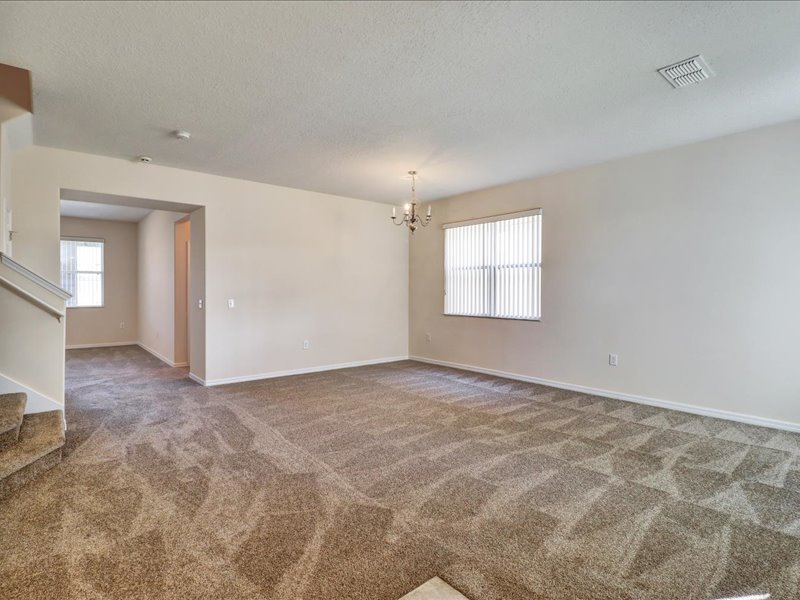
Here are some telltale signs that your carpet might be nearing the end of its lifespan and in need of replacement:
- Visible wear and tear: This includes fraying, matting, excessive flattening, or permanent stains that won’t budge with cleaning.
- Loss of comfort: Does your carpet feel scratchy, thin, or lumpy underfoot? Worn-out padding can also contribute to this.
- Persistent odors: Even after a thorough cleaning, lingering unpleasant smells can indicate pet accidents, mold growth, or deep-seated dirt.
- Allergy woes: If you or your family experience worsening allergies after spending time on the carpet, it could be harboring dust mites, allergens, or mold spores.
- Ripples and wrinkles: Rippling carpets can be a safety hazard and often indicate worn-out padding or improper installation.
Cost of Replacing Carpet
The cost of replacing carpet in a rental property can vary depending on several factors:
- Carpet material: Nylon (more durable) is generally more expensive than polyester (less durable).
- Carpet quality: Higher quality carpets with denser fibers and better construction cost more but last longer.
- Pad cost: Carpet pad significantly impacts comfort and longevity. Higher quality pads cost more but offer better support.
- Labor costs: Installation prices vary depending on your location and the complexity of the job.
- Carpet removal costs: Some companies may charge extra to remove and dispose of your old carpet.
Here’s a rough estimate:
- Low-range: $2 to $4 per square foot (including carpet, pad, and basic installation) – Suitable for low-traffic areas or budget replacements.
- Mid-range: $4 to $8 per square foot – This is a good range for most rental properties, offering a balance between affordability and durability.
- High-end: $8+ per square foot – This range features luxury carpets, premium pads, and potentially more intricate installation.
For a more accurate estimate, get quotes from local carpet installation companies. Be sure to inquire about the specific carpet material, pad quality, and labor costs included in their estimates.
Can You Extend Your Carpet’s Life?
- Clean regularly. Vacuum once or twice a week, increasing frequency in high-traffic areas. This simple habit prevents dirt and debris from grinding into fibers and causing premature wear — a key factor when determining how often should carpet be replaced.
- Handle spills immediately. Blot (don’t rub) spills with a clean cloth, working from the outside of the stain toward the center. Quick action stops stains from setting permanently and helps extend carpet life.
- Schedule professional cleaning. Have your carpets deep cleaned every 12–18 months, or more often if you have pets or heavy foot traffic. Regular professional cleaning removes embedded dirt that vacuuming alone can’t reach and can significantly delay how often carpet should be replaced.
- Install furniture pads and area rugs strategically. Place pads under heavy furniture to prevent indentations, and use area rugs or runners in hallways and entryways to protect high-traffic zones.
- Rotate furniture occasionally to prevent wear patterns from forming in the same spots.
- Control moisture and humidity. Keep indoor humidity between 30–50% to prevent mold growth and fiber damage. Run fans or dehumidifiers when necessary.
- Establish a no-shoes policy or place quality doormats inside and outside entryways to minimize tracked-in dirt.
When you maintain carpets consistently, quality flooring can last 10–15 years or longer. Neglected carpets, however, often need replacement in just 5–7 years. Consistent upkeep reduces costs and helps you make smarter decisions about how often should carpet be replaced in your rental property.
Can a Landlord Deduct a Security Deposit for Carpet Damage
Landlords can deduct from your security deposit for carpet damage that goes beyond normal wear and tear. This includes rips, stains, or burns. However, they can’t withhold money for typical fading or matting that occurs with everyday use.
Keep detailed records and photos of the carpet’s condition when you move in to help dispute any unfair deductions.
How to Increase the Life of Your Carpet
Extend your carpet’s life with these simple tips: vacuum regularly, clean spills fast, consider professional cleaning, choose pet-friendly materials, and use area rugs in high-traffic zones. Regular care keeps your carpet looking fresh and saves you money in the long run.
Can I Request a New Carpet from a Landlord?
You can absolutely request a new carpet from your landlord, especially if you’re concerned about cleanliness, damage, or health issues. However, replacing flooring that only shows normal wear and tear isn’t typically the landlord’s responsibility.
When discussing how often should carpet be replaced, remember that most landlords base this decision on the carpet’s age, quality, and condition. Focus your request on damage beyond ordinary use—such as deep stains, tears, or mold—or legitimate health concerns like allergies.
Always approach your landlord politely and propose reasonable solutions, such as splitting replacement costs or arranging a professional deep cleaning first. A cooperative approach increases the likelihood of a positive outcome for both parties.