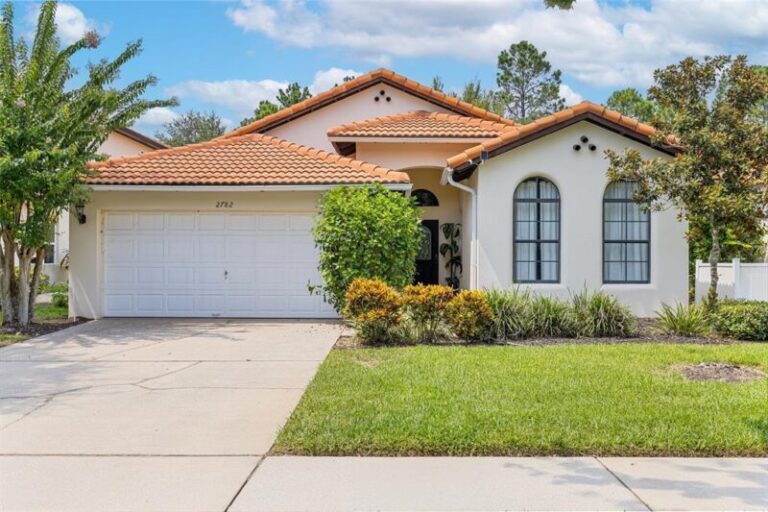
Front Lawns and gardens that look good add a lot of curb appeal to your home and make a great first impression. People visiting you or tenants coming to rent will love how your home looks from the street.
If you’re a rental homeowner, including professional lawn care services within the rent would be wise. Some neighborhoods are set up so the homeowner associations mow your lawns, provide watering, weed, feed, and mulch when needed.
The cost of which is usually included in the HOA’s fees. Additionally, some homeowners leave it to the tenants to maintain the lawn care.
If this is the case for you, we have a few lawn care tips to help you!
What Are The Basics Of Lawn Care?
Lawn care may seem straightforward, and most of it is! However, if you are responsible for lawn care at your residence, you should know a few things.
A few things to consider are why you would want to maintain your lawn in Orlando, what type of grass you should grow, and what to do with weeds. Here are some tips:
- There seems to be a collation between how nice your home looks from the exterior to the quality of your applicants. So, ensure you don’t skimp on your curb appeal.
- There are two main types of grass in Orlando, Florida. If your grass feels harsh under your bare feet and not soft, you probably have what is commonly referred to as St Augustine Grass. The ideal length to maintain is 3 1/2 inches once it’s been cut, and remember that it will be weakened if cut too short. This type of grass cannot be seeded, and if part of the lawn dies, you will need to plant plugs or patches of grass, which grow runners to join the other parts of the lawn.
- Bahia grass is more like pasture grass and feels much gentler under your feet. It can tolerate a lack of water or drought better than St Augustine but rarely gives you that carpet of luscious green grass as St Augustine does. Floratam, similar to St Augustine, grows better on a property with trees.
- Weeds- listen up! It’s very important that you don’t pull weeds out alive, this allows the spores to spread all over the garden, and where you had one weed you’ll shortly have at least six more. The best way to control weeds is to spray them with Round-Up, wait a week until they are dead, and then gently pull them out and dispose of them.
Taking Care Of Your Lawn
Whether you are the homeowner or a tenant responsible for lawn care in the home, you may not need a professional service if your lawn is manageable.
The basics of mowing are easy to figure out, but what about if your grass is dying? If you find your lawn looks patchy with odd holes or brownish spots here and or there, first, inspect the area surrounding the dead/brown spots.
You probably need a sprinkler head or valve replaced or repaired. Generally made of plastic, they often become brittle and break over time. The problem could also be caused by an ineffective sprinkler system that needs upgrading, as it doesn’t reach all the areas it should.
Additionally, if you have bugs in your lawn, or if your yard becomes infected with chinch bugs or mole crickets, it can die within two to three weeks. Be on the lookout for these bugs; regular weed and feed spraying will keep them at bay and keep your lawn healthy.
Brownish coloration in plants and bushes is due to a lack of water. If they look yellow, this is due to a lack of food. So, you’ll either need to add some more watering to your lawn care schedule or plan to spray it with a good weed and feed treatment.
If you don’t live locally, it may be best to look into a service for major lawn care work. This may be a cheaper option than renting or buying the needed tools and can be the safer option as well.
The same goes for landscaping renovation unless you have the time and skills! Remember to get copies of their business licenses and insurance if hiring someone to take care of a rental home.
Maintaining Your Orlando Yard And Garden
Feed & Weed
Does the HOA do this, or are you expected to? Feeding and weeding your greenery should be carried out at least two to three times a year. Preferably it should receive treatment every other month.
Once it’s been sprayed, it must be watered in within a day, or the chemical you’ve treated it with may burn the lawn. Schedule your lawn care treatments to work with watering days in your neighborhood.
Watering your gardens and lawns
Sometimes, your sprinkler system uses recycled water from the HOA, and it’s included in your dues; otherwise, the owner or the tenant has to pay for the water. From experience, I’d recommend watering just a couple of times per week; around 4 or 5 am is the best time to set your sprinklers.
At that time, the ground should be at its coldest, and the landscaping will be able to use the watering effectively. It allows the water to seep in for a few hours before the sun comes up and dries it out! There may be specific days in your neighborhood for watering; check it out with your local water provider.
Mulching
Usually renewed in the spring, and sometimes your HOA does this for you too. You’ll find you need to top up your mulch occasionally as it washes away in rain storms. We prefer to mulch in November or December, as a layer of mulch several inches thick will afford your delicate tropical plants a little more warmth and protection against the colder weather! Losing mulch can be minimized by installing gutters or rubber mulch on the house.
If you are the homeowner, then in between tenancies, you will need to maintain this yourself or have your property management company do this for you. Anything that requires a ladder needs a professional service.
The grass never stops growing! Weekly lawn area cuts will be needed from April to October. From November through the end of March, bi-weekly cuts and raking up leaves, etc.
Lawn Care Tips in a Nutshell
#1 Mowing
Set the mower blades to a height of 2.5 to 3 inches. This helps promote deeper root growth, keeping grass healthier and more resilient to heat. It also shades the soil surface, reducing water evaporation and inhibiting weed seeds from germinating.
Always follow the one-third rule: avoid cutting more than one-third of the grass blade length at once to prevent stress and potential damage to the lawn.
#2 Watering
Provide the lawn with 1 to 1.5 inches of water per week, including rainfall. Deep, infrequent watering encourages the development of deep root systems, which strengthen the grass and improve its drought tolerance.
As mentioned before, the best time for watering is early morning, allowing the grass to absorb moisture before the sun becomes intense. Watering at this time also helps prevent the growth of fungal diseases that thrive in damp conditions.
#3 Fertilization
Use a balanced fertilizer designed for your specific grass type during the growing season. In South Orlando, warm-season grasses such as St. Augustine, Bermuda, or Zoysia thrive.
Applying fertilizer in late spring and early summer provides the nutrients needed for strong growth and vibrant color. Follow product guidelines for application rates to avoid over-fertilizing, which can lead to excessive growth and possible nutrient runoff.
#4 Weed Control
Inspect the lawn regularly for weed emergence. Manual removal of isolated weeds prevents them from spreading. For larger infestations, spot treatment with suitable herbicides helps control unwanted growth without harming the lawn. A dense, well-maintained lawn is less susceptible to weed invasion as it outcompetes weeds for resources.
$5 Aeration
Perform core aeration annually to relieve soil compaction and enhance nutrient and water penetration. Aeration involves removing small plugs of soil, which allows air, water, and nutrients to reach the grassroots more effectively. The ideal time for this process is in late spring or early summer when warm-season grasses are at their peak growth phase, ensuring they recover quickly from aeration.
#6 Pest Management
Keep an eye out for signs of common lawn pests like chinch bugs, sod webworms, or grubs. Look for brown patches, wilting grass, or other irregular patterns in the lawn. If pests are present, use appropriate pest control measures or treatments that target the specific issue without harming beneficial insects or other wildlife.
#7 General Maintenance
Regularly rake leaves and remove debris to prevent suffocation of the grass. Maintain sharp mower blades for clean cuts that reduce the risk of disease. Proper lawn maintenance routines ensure consistent growth and a healthier, more attractive yard year-round.