A Landlord’s Guide to Normal Wear and Tear vs Property Damage. Helps property owners understand one of the most common challenges in rental management—distinguishing everyday use from actual damage. Reasonable wear and tear refers to the gradual deterioration that happens through everyday living and exposure over time. It’s also known as ordinary or natural wear and tear.
In landlord-tenant law, this term defines what landlords cannot charge tenants for when returning a security deposit. Knowing the difference between normal wear and tear and property damage protects both you and your tenants, ensuring fairness, compliance, and peace of mind.
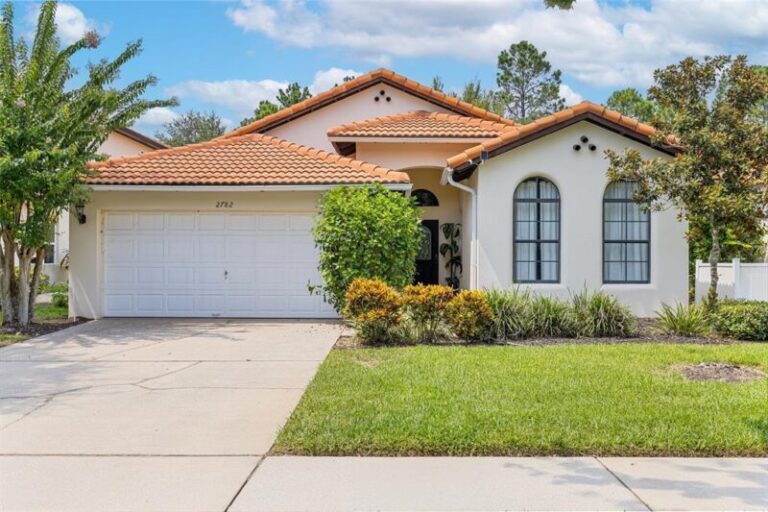
This is one of the main questions our property management clients ask, especially when they need to return the security deposit on their Kissimmee rental property.
Some wear and tear is absolutely normal when you have long-term rental properties, but you need to know when this turns into property damage. This guide is for you.
What Exactly Is Normal Wear and Tear?
In a Landlords Guide to Normal Wear and Tear vs Property Damage, it’s essential to start with a clear definition. Normal wear and tear describes the gradual, expected deterioration of a rental property that occurs through ordinary, everyday use. Every home ages, no matter how careful the tenant may be. Paint fades, carpets flatten, grout darkens, and appliances show signs of use. These are all natural results of time and everyday living—not neglect or misuse.
For example, after a long-term tenancy, you might notice scuff marks on walls where furniture rested, slightly worn areas in high-traffic carpets, or minor discoloration in flooring exposed to sunlight. These changes reflect the life of the property, not damage caused by carelessness.
Recognizing normal wear and tear allows landlords to set realistic expectations and handle maintenance responsibly. Florida property management law supports this distinction, ensuring tenants aren’t unfairly charged for ordinary wear and tear while protecting landlords’ right to recover costs for actual damage.
Landlords who understand this balance tend to avoid disputes at move-out. By documenting property conditions before and after each tenancy, you can clearly show what’s natural wear versus what requires tenant reimbursement.
In short, normal wear and tear represents the home’s natural aging process—a predictable part of property ownership. Embracing this perspective keeps relationships professional, encourages fairness, and maintains the long-term value of your investment property.
What is Not Ordinary Wear & Tear?
In a landlords guide to normal wear and tear vs property damage, understanding what doesn’t qualify as normal is just as important as knowing what does. At the same time, reasonable wear and tear reflects the natural aging of a home; property damage results from carelessness, neglect, misuse, or accidents that go beyond everyday living.
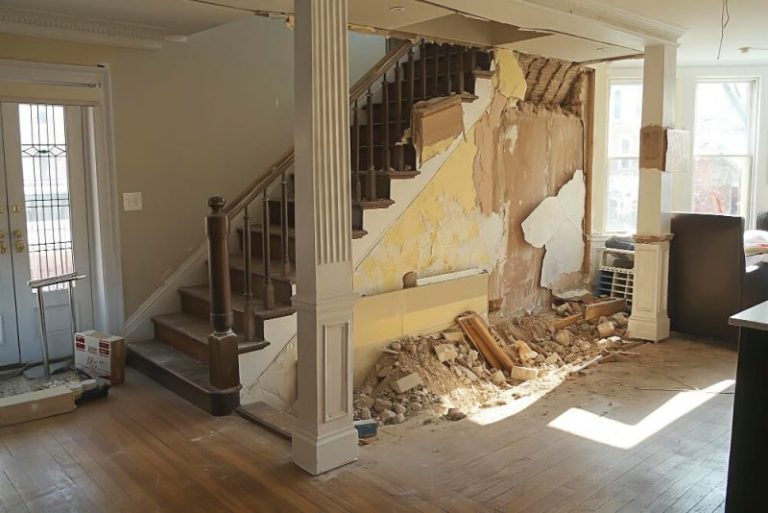
Ordinary living might leave a few nail holes or faded paint, and that’s considered normal wear and tear vs property damage. It includes things like large holes in walls, broken tiles, shattered windows, torn carpet, or missing fixtures. These issues aren’t the result of time — they’re caused by human action (or inaction).
For example, a tenant who fails to report a leaking pipe that leads to water damage, or a pet that scratches up hardwood flooring, creates damage that falls outside the scope of normal wear and tear. Similarly, excessive dirt buildup, burns, stains, or deliberate alterations—like painting walls black without permission—are all considered tenant damage, not reasonable wear and tear.
Landlords have a legal right to recover the cost of repairing this type of damage through the tenant’s security deposit. Florida law supports this distinction to protect both parties: tenants from unfair charges for natural wear, and landlords from financial loss due to preventable harm.
Establishing clear policies and conducting regular inspections helps prevent these problems. A well-documented move-in and move-out checklist ensures everyone understands expectations. This proactive approach saves time, reduces conflict, and protects your investment’s long-term value.
In short, if it’s not ordinary wear and tear, it means the damage could have been avoided. It’s the difference between everyday living and neglect—a line every landlord must learn to recognize and manage effectively.
Examples of Normal Wear and Tear in Rental Properties
Examples of normal wear and tear in rental properties include:
- Faded or peeling paint from sunlight or age.
- Minor carpet wear in high-traffic areas or small stains that can be cleaned.
- Small nail holes in the walls from hanging pictures.
- Loose doorknobs or handles from regular use.
- Scuffed wood floors from everyday foot traffic.
- Worn grout in bathroom tiles due to regular cleaning and use.
- Slightly worn window blinds from normal operation.
These examples reflect typical usage and are usually considered the landlord’s responsibility for routine maintenance.
What Is Tenant Property Damage?
Tenant property damage refers to any harm or deterioration to a rental property caused by a tenant’s actions, neglect, or misuse beyond what is considered normal wear and tear. This type of damage goes beyond the expected aging or regular use of the property and often requires repair or replacement.
Broken windows, large holes in walls, severe carpet stains, damaged appliances, and any other significant alterations or destruction that result from improper care or intentional misuse. Tenants are generally responsible for covering the costs associated with repairing or fixing such damages.
Examples of Tenant Property Damage
Examples of tenant property damage include:
- Broken windows or doors due to accidents or vandalism.
- Large holes in walls from improper installation of shelves or TVs.
- Severe carpet stains or burns that cannot be cleaned or repaired.
- Pet damage includes chewed baseboards or scratched floors.
- Broken appliances resulting from improper use or neglect.
- Missing or damaged fixtures, like light fittings, smoke detectors, or cabinet doors.
- Extensive water damage from leaving windows open during rain or failing to report leaks.
- Unauthorized paint jobs or alterations that require professional restoration.
- Overgrown or damaged landscaping due to neglect or failure to maintain.
These examples typically require more than routine maintenance and are often the tenant’s responsibility to repair or replace.
In A Landlords Guide to Normal Wear and Tear, understanding the line between acceptable aging and actual property damage is essential for every rental owner. Normal wear and tear happens naturally over time. Property damage occurs when a tenant’s actions—or lack of care—cause harm that goes beyond ordinary use.
For example, if a pet destroys the carpet or leaves bleach stains, burn marks, or foul odors, that’s willful damage. The same applies when children draw on walls, tenants punch holes in drywall, or move furniture carelessly, leaving gouges behind. These are not the results of everyday living—they’re preventable and can be deducted from the tenant’s security deposit.
Similarly, countertops scorched by hot pans, broken windows, missing fixtures, or removed appliances are considered property damage. These repairs fall on the tenant’s responsibility. On the other hand, if a washer, dryer, or dishwasher stops working after years of regular use, that’s normal wear and tear.
Air conditioning units are a common grey area in Florida rentals. If an A/C system fails because filters were never changed, it’s tenant-caused damage. However, if the landlord has failed to schedule annual maintenance or cannot produce service records, responsibility may shift. Maintaining documentation is key to avoiding disputes.
Regular property inspections are one of the most effective ways to manage wear and tear. We recommend inspecting twice during the first year of tenancy. If the tenants maintain the property well, yearly inspections should suffice afterward. Habits rarely change, so consistent oversight protects your investment.
Tenants must leave the home in the same clean condition they received it—floors vacuumed, ovens and appliances cleaned, and personal belongings removed. The landlord can dispose of any furniture or personal property left behind, and the costs can be deducted from the security deposit.
Understanding and documenting the difference between normal wear and tear vs. property damage helps landlords act fairly, avoid disputes, and maintain the long-term value of their Kissimmee rental property.
What Is Routine Maintenance?

In a landlords guide to normal wear and tear vs property damage, routine maintenance means taking proactive steps to keep your rental property in top condition. It’s not the tenant’s job to handle major repairs, but they are responsible for basic upkeep—changing A/C filters, replacing light bulbs, and keeping the home clean.
Landlords, on the other hand, must ensure that plumbing, electrical systems, and major appliances remain in good working order. Regular servicing—especially for air conditioning units in Florida’s heat—prevents costly breakdowns and helps identify minor issues before they turn into damage.
Routine maintenance protects your investment, keeps tenants satisfied, and supports smooth move-outs when it’s time to assess normal wear and tear versus property damage.
Examples of routine maintenance include:
- Replacing air filters in HVAC systems.
- Checking and repairing leaks in plumbing fixtures.
- Cleaning gutters to prevent water damage.
- Servicing cooling systems annually.
- Painting walls periodically to cover minor scuffs and wear.
- Inspecting and maintaining electrical systems to ensure safety.
- Trimming trees and landscaping to prevent overgrowth and property damage.
- Pest control treatments to prevent infestations.
Read more in our Kissimmee Rental Property Maintenance Guide for Landlords.
What Is Normal Wear and Tear after 2 Years?
Normal wear and tear after two years includes minor carpet wear, small scuffs on walls, slightly faded paint, loose doorknobs, and light wear on appliances. These signs reflect typical use and do not result from negligence or misuse.
What Is Normal Wear and Tear after 10 Years?
Normal wear and tear after ten years may include faded paint, worn carpets, minor dents or scratches on walls, loose hinges, and aging fixtures. These changes result from long-term, everyday use rather than damage or neglect. It’s time to paint, renew the carpets, and give the unit a makeover!

How Do I Manage Normal Wear and Tear?
To manage normal wear and tear, conduct regular inspections, perform routine maintenance, and address minor issues promptly.
Use durable materials to reduce damage, repaint walls periodically, and replace worn-out fixtures as needed.
FAQ: A Landlords Guide to Normal Wear and Tear Vs Property Damage
Are nail holes in a wall normal wear and tear?
Yes, small nail holes in a wall from hanging pictures or artwork are generally considered normal wear and tear. These minor marks result from typical tenant activities and usually require simple touch-up repairs, which are often the landlord’s responsibility.
What is considered excess wear and tear?
Excess wear and tear refers to damage beyond normal usage, such as large holes in walls, broken fixtures, heavily stained or ripped carpets, and damaged flooring. This type of wear exceeds regular maintenance needs and often results from neglect, misuse, or accidents by the tenant.
Is dirty grout normal wear and tear?
Yes, dirty grout is generally considered normal wear and tear. Grout can become discolored over time due to regular use and cleaning. This kind of wear reflects typical usage and does not result from tenant negligence or damage.