Introduction
Lease violations can create significant challenges and frustrations for both tenants and landlords. Whether you’re a tenant facing an uncooperative landlord or a landlord dealing with problematic tenants, it’s essential to have a clear understanding of what constitutes a lease violation and the potential consequences involved. In this article, we’ll delve into the concept of lease violations, discuss common examples, explore the legal implications, and provide guidance on how to address these situations effectively. By the end, you’ll be equipped with the knowledge and tools to handle lease violations confidently.
What is a Lease Violation?
A lease violation refers to the breach of terms and conditions outlined in a lease agreement between a landlord and a tenant. The lease agreement serves as a legally binding contract that outlines the rights and responsibilities of both parties throughout the tenancy period. When either the tenant or landlord fails to fulfill their obligations as stated in the lease, it is considered a lease violation.
Understanding Lease Terms and Conditions
To comprehend lease violations fully, it’s crucial to understand the terms and conditions typically outlined in a lease agreement. These terms cover various aspects of the tenancy, including rent payment, property maintenance, occupancy limits, pet policies, and more. By defining these terms, the lease agreement sets clear expectations for both parties and helps maintain a harmonious landlord-tenant relationship.
Types of Lease Violations
Lease violations can take various forms, and it’s important to recognize and address them promptly. Here are some common types of lease violations:
- Non-Payment of Rent: One of the most prevalent lease violations occurs when a tenant fails to pay rent on time or skips payments altogether. This violation directly affects the landlord’s income and can lead to financial strain.
- Unauthorized Subletting: If a tenant sublets the property without obtaining proper permission from the landlord, it is considered an unauthorized subletting violation. This type of violation can create legal complications and disrupt the landlord’s control over the property.
- Property Damage: Intentional or negligent damage to the rental property by the tenant is a lease violation. It includes actions such as breaking fixtures, causing excessive wear and tear, or failing to report and address maintenance issues promptly.
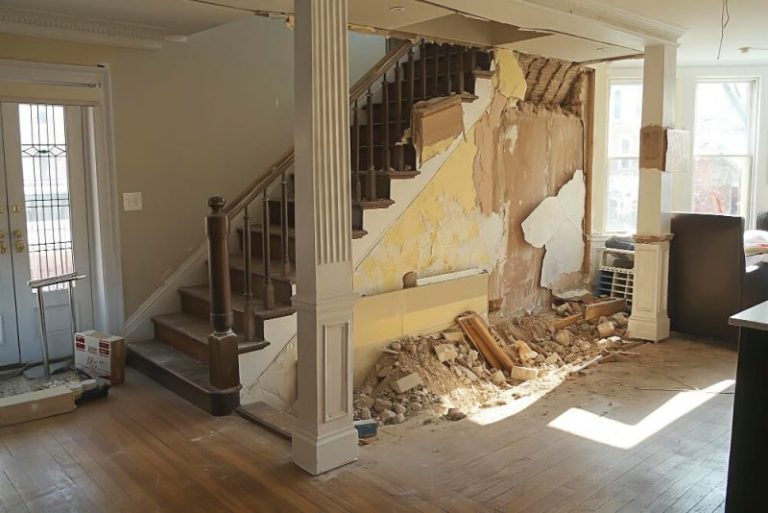
- Unauthorized Alterations: Making significant changes to the property without obtaining prior consent from the landlord is an unauthorized alterations violation. Examples include installing permanent fixtures, painting walls without permission, or removing essential structural elements.
- Noise Disturbances: Excessive noise that disrupts the peace and quiet of neighboring tenants is a lease violation. This can involve hosting loud parties, playing loud music at late hours, or creating disturbances that significantly impact the quality of life for others.
- Violation of Pet Policies: Breaking the pet-related terms outlined in the lease agreement, such as owning unauthorized pets or failing to adhere to pet-related rules, constitutes a lease violation.
It’s important to note that lease agreements may have additional clauses and terms specific to the property and the landlord’s policies. Therefore, tenants should thoroughly review their lease agreements to understand their obligations and avoid unintended violations.
Legal Implications of Lease Violations
Lease violations can have legal ramifications for both tenants and landlords. Understanding the potential consequences is crucial for resolving disputes and protecting your rights. Let’s explore the legal implications of lease violations for each party:
Consequences for Tenants
When tenants violate the terms of their lease agreement, they may face the following legal consequences:
- Eviction: Repeated or severe lease violations can result in eviction proceedings initiated by the landlord. The eviction process varies depending on local laws and regulations.
- Loss of Security Deposit: In many cases, lease violations can lead to the forfeiture of the tenant’s security deposit. Landlords may use the deposit to cover damages, unpaid rent, or other expenses resulting from the violation.
- Damages and Legal Fees: If the lease violation causes financial loss to the landlord, they may pursue legal action to recover damages and associated legal fees.
Consequences for Landlords
Landlords can also face legal consequences when they violate the terms of the lease agreement. These consequences may include:
- Lawsuits and Legal Damages: Tenants can take legal action against landlords for lease violations. This can result in the landlord being ordered to pay damages or take specific actions to rectify the violation.
- Loss of Reputation: Consistently violating lease terms can damage a landlord’s reputation in the rental market, making it challenging to attract responsible and reliable tenants in the future.
- Financial Loss: Landlords may experience financial loss if tenants withhold rent or pursue legal action due to lease violations.
While lease violations can have severe legal implications, it’s essential to approach these situations responsibly and seek legal advice when necessary. Both tenants and landlords should familiarize themselves with local tenancy laws and regulations to ensure compliance and protect their rights.
Addressing Lease Violations
When facing lease violations, tenants and landlords should take proactive steps to address the issue and find a resolution. Prompt action can help prevent further damage and minimize the legal consequences involved. Here are some recommended approaches for handling lease violations:
1. Review the Lease Agreement
Both tenants and landlords should thoroughly review the lease agreement to understand the specific terms and conditions that have been violated. By referring to the lease agreement, parties can gain clarity on their rights, obligations, and potential courses of action.
2. Communicate with the Other Party
Open and honest communication is crucial when addressing lease violations. Tenants should reach out to the landlord to discuss the issue and explore possible solutions. Similarly, landlords should contact tenants to express their concerns and attempt to resolve the matter amicably.
3. Document Everything
It’s essential to maintain detailed records of all communication, including emails, letters, and any relevant evidence of the lease violation. This documentation can serve as evidence in case legal action becomes necessary.
4. Seek Mediation or Arbitration
If direct communication fails to resolve the issue, both tenants and landlords may consider mediation or arbitration. These alternative dispute resolution methods involve the assistance of a neutral third party who helps facilitate a mutually agreeable solution.
5. Consult Legal Professionals
When lease violations become complex or contentious, it’s advisable to seek legal counsel. Lawyers specializing in landlord-tenant law can provide guidance, represent you in legal proceedings, and ensure your rights are protected.
6. Understand Local Laws
Tenancy laws and regulations vary from one jurisdiction to another. Tenants and landlords should familiarize themselves with the specific laws governing their area to ensure compliance and gain a better understanding of their rights and obligations.
FAQs about Lease Violations
Below are some frequently asked questions about lease violations:
Q: Can a landlord evict a tenant for minor lease violations? A: In some cases, landlords can initiate eviction proceedings for minor lease violations, especially if they are repeated or significant. However, local laws and regulations dictate the specific circumstances under which eviction is permitted.
Q: How can tenants protect themselves from false lease violation claims? A: Tenants should maintain a record of all communications with their landlords, keep copies of the lease agreement, and document the condition of the property upon move-in and move-out. This evidence can help protect tenants from false claims and provide a basis for dispute resolution.
Q: What should landlords do if a tenant repeatedly violates the lease agreement? A: Landlords should follow the legal process outlined by local laws to address repeated lease violations. This often involves providing written notices, allowing the tenant an opportunity to rectify the violation, and escalating the situation if necessary.
Q: Are there any lease violations that can be resolved without legal action? A: Yes, many lease violations can be resolved through open communication and negotiation between tenants and landlords. By discussing the issue and finding mutually agreeable solutions, legal action can often be avoided.
Q: Can a tenant break a lease due to the landlord’s violations? A: In some cases, tenants may have grounds to break their lease if the landlord consistently violates the terms of the agreement or fails to provide essential services. Consultation with a legal professional is recommended to determine the best course of action in such situations.
Q: Can lease violations be reported to credit bureaus? A: While lease violations themselves are not typically reported to credit bureaus, unpaid rent or other related debts resulting from lease violations may be reported and negatively impact a tenant’s credit score.
Conclusion
Lease violations can create significant challenges and legal complications for both tenants and landlords. Understanding what constitutes a lease violation, the potential consequences involved, and how to address these situations is essential for protecting your rights. By maintaining open communication, documenting relevant information, and seeking legal guidance when necessary, you can navigate lease violations effectively and work towards a resolution that benefits all parties involved.