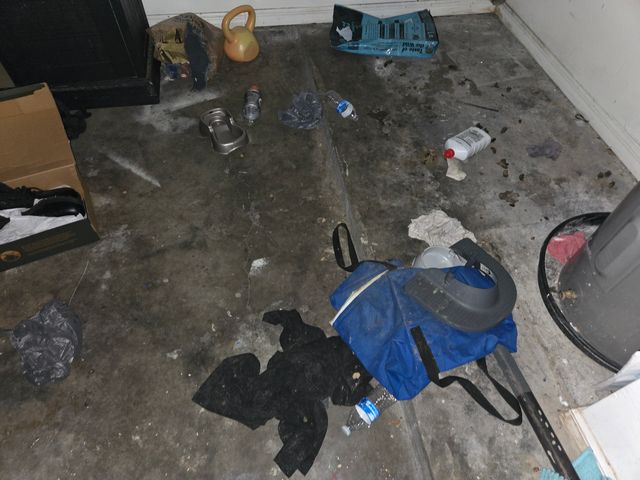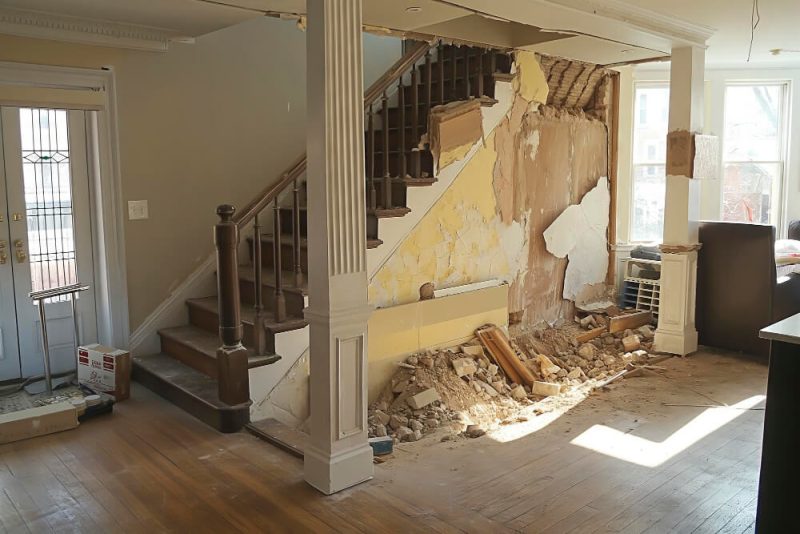
If a tenant damages your property in Kissimmee, it can feel overwhelming in the moment. One day everything is running smoothly, and the next you’re faced with unexpected repairs, stress, and questions about what to do next.
Whether you’re dealing with minor issues or significant tenant damage to your rental property, the key is to stay calm and take the right steps from the start. Acting quickly—and correctly—can make all the difference when it comes to protecting your investment and recovering costs.
The first step is to document everything thoroughly by taking clear photos and videos of the damage. From there, review your lease agreement to understand your rights and the tenant’s responsibilities. You’ll then need to notify the tenant in writing, assess the repair costs, and determine whether the security deposit will cover the damage.
If the cost of repairs exceeds the security deposit, you may need to pursue the tenant for the remaining balance. In more serious cases—especially where damage is intentional or malicious—legal action or even involving the police may be necessary. You should also check your insurance policy to see if any of the damage is covered.
Knowing what to do if a tenant damages your property in Kissimmee not only helps you handle the situation properly—it also gives you confidence and control when things don’t go as planned.
You Don’t Have to Deal With This Alone
This is where many landlords realise something important—
It’s not just about fixing the damage… it’s about preventing it from happening again.
At McCormack Realty & Renters Choice Homes, we:
- Carry out detailed inspections
- Screen tenants thoroughly
- Handle disputes professionally
- Protect your investment long-term
Because one bad experience shouldn’t define your rental journey. If you’re feeling overwhelmed and don’t want to handle this situation on your own, you don’t have to.
Call us at 407-933-2367—our experienced team is here to guide you through every step, from assessing the damage to protecting your property and moving forward with confidence.
What Is Considered Property Damage?
The key distinction is that property damage results from negligence, carelessness, accidents, or abuse, while normal wear and tear is the expected deterioration from ordinary use over time.
Examples of Normal Wear and Tear (NOT chargeable)
- Faded paint or wallpaper from sunlight exposure
- Minor scuffs on walls or baseboards
- Small nail holes from hanging pictures
- Carpet wear in high-traffic areas
- Worn enamel in bathtubs or sinks
- Loose door handles or cabinet hinges from regular use
- Minor scratches on hardwood floors
- Faded window treatments
- Dirty grout or caulking that can be cleaned
Examples of Tenant Damage (chargeable to security deposit)
- Large holes in walls or doors
- Broken windows or mirrors
- Pet stains or odors in carpets
- Burns or large stains on flooring
- Broken appliances due to misuse
- Missing fixtures or hardware
- Unauthorized modifications (painted walls without permission, removed fixtures)
- Broken tiles or countertops
- Damaged landscaping or yard neglect
- Clogged drains from negligence
- Missing or broken smoke detectors
- Deep scratches or gouges in floors
- Graffiti or wall art
Gray Areas That Depend on Circumstances
Some damage falls into a gray area depending on the age of the item, length of tenancy, and severity:
- Carpet damage: If carpets are 5-7 years old and simply worn, that’s normal. If they’re new and stained with wine or pet urine, that’s damage.
- Paint: Walls typically need repainting every 3-5 years naturally or under Florida law after a tenant moves out. Excessive dirt, crayon marks, or holes requiring patching is damage.
- Air Conditioning If the air handler becomes blocked due to the air filter not being changed regularly, this may be considered tenant-caused damage rather than normal wear and tear—especially if the system has been serviced annually and was in good working condition at the start of the tenancy.
Factors Courts Consider
If a dispute goes to court, judges typically evaluate:
- The age and condition of the item when the tenant moved in
- The length of the tenancy
- Whether the damage was preventable with reasonable care
- Industry standards for expected lifespan of materials
- Your documentation from move-in inspections
How to Assess Damage Properly
When a tenant moves out, compare the property’s condition to your detailed move-in inspection report. Take photos of everything and get repair estimates. Be reasonable in your assessment—a tenant who lived there for three years shouldn’t be charged for carpet that was already five years old when they moved in.
What To Do When A Tenant Damages Rental Property: Step By Step
I’ll help you understand how to handle tenant property damage in Kissimmee, Florida.
Immediate Steps After Discovering Damage
First, document everything thoroughly with photos and videos showing the extent of the damage. This documentation will be crucial for any insurance claims or legal proceedings. You’ll want to compare the current condition against your move-in inspection report and photos.
Next, notify the tenant in writing about the damage you’ve discovered. Even if they’ve already moved out, send a formal letter describing the issues. This creates a paper trail and gives them an opportunity to respond.
Security Deposit Handling
Florida law requires landlords to notify tenants within 30 days if you intend to make a claim against their security deposit, or within 15 days if you’re not making a claim. Your notice must state your intention to impose a claim and the reason for it. Send this via certified mail to the tenant’s last known address.
You can deduct from the security deposit for damages beyond normal wear and tear. Normal wear and tear includes minor scuffs, small nail holes, or carpet wear from regular use. Damages you can deduct for include broken windows, holes in walls, damaged appliances, or stained carpets.
Read more: What Is a Security Deposit for a Rental Home in Kissimmee
If Damage Exceeds the Security Deposit
When repairs cost more than the deposit amount, you have several options. You can send the tenant an itemized bill for the remaining balance. If they don’t pay, you may need to pursue them in small claims court (for amounts under $8,000) or county court for larger amounts.
Make sure it’s real damage, not normal wear and tear. Here is an extensive guide: A Landlords Guide to Normal Wear and Tear vs Property Damage.
Insurance Considerations
Contact your landlord insurance policy provider to see if the damage is covered. Some policies include coverage for tenant-caused damage, though you’ll need to weigh the cost of your deductible against filing a claim.
Legal Action
If necessary, you can file a lawsuit against the tenant for damages. Keep all receipts, repair estimates, and communication records. Florida courts will want to see evidence that damages were beyond normal wear and tear and that you made reasonable efforts to mitigate costs.
Prevention for the Future
Consider requiring renters insurance as a lease condition, conducting regular property inspections (with proper notice), and maintaining detailed move-in/move-out inspection reports with photographic evidence.
How to Avoid Bad Tenants in the First Place
- Screen thoroughly before signing a lease. Run comprehensive background and credit checks, verify employment and income (typically 3x rent), contact previous landlords for references, and check eviction records. Require a complete rental application with no gaps in rental history.
- Set clear standards upfront. Establish minimum credit scores, income requirements, and rental history expectations in your tenant criteria.
- Trust your instincts. If applicants are evasive, provide inconsistent information, or pressure you to skip steps, consider it a red flag.
- Use a detailed lease that clearly outlines expectations, rules, and consequences for violations.
Make sure you screen new tenants carefully, to avoid future issues. Our property management team has extensive expertise in finding the RIGHT tenants who’ll respect your property and take care of it.
Read more: How to Attract High-Quality Tenants in Kissimmee
FAQ
Can a landlord evict a tenant for damaging property?
Yes, landlords in Florida can evict tenants for property damage. If damage violates lease terms or constitutes “waste” (intentional or negligent destruction), you can file for eviction. Document all damage thoroughly, provide proper notice as required by your lease and Florida law, then proceed with formal eviction if necessary.
Can you sue a tenant for damages?
Yes, you can sue a tenant for property damages in Florida. If damages exceed the security deposit, file in small claims court (under $8,000) or county court (larger amounts). Keep detailed documentation including photos, repair receipts, and estimates. You must prove damages exceeded normal wear and tear.